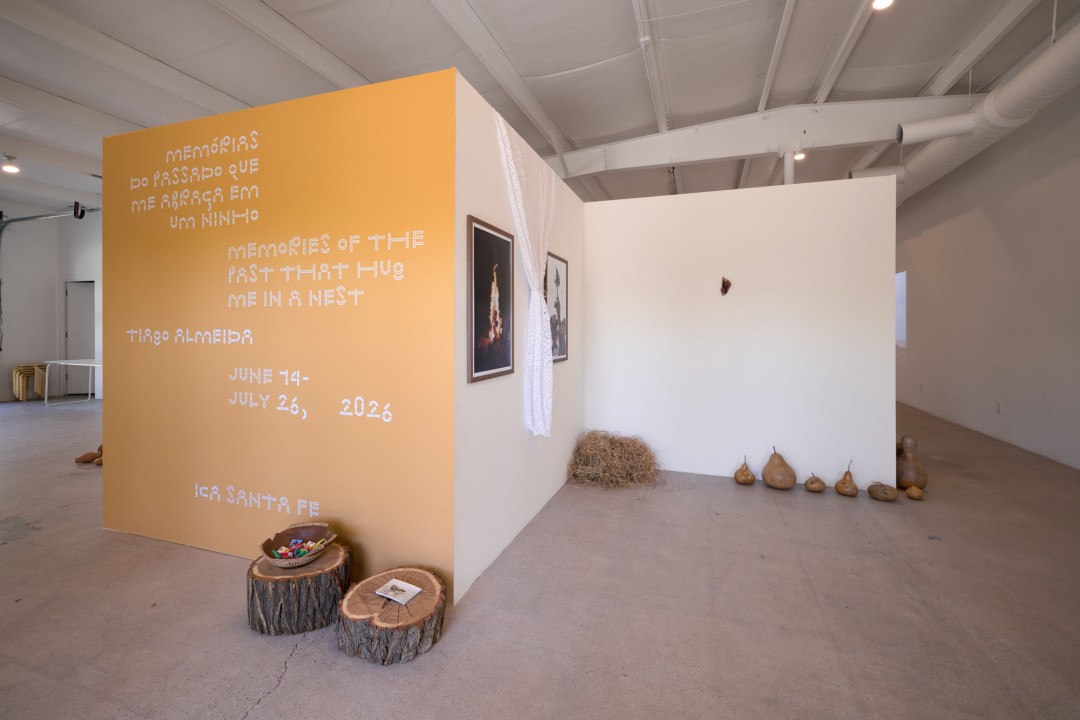











Memories of the Past That Hug Me in a Nest, Tiago Almeida
2026, Institute of Contempoaray Art Santa Fe, June 14 – July 26
Memories of the Past That Hug Me in a Nest was a solo exhibition by Tiago Almeida, a documentary filmmaker, artist, activist, and initiate of Candomblé, an Afro-Brazilian spiritual tradition. Living between Brazil and the United States, Almeida’s work traces the Afro-Brazilian diaspora and questions of Black sovereignty, shaped by enduring spiritual practices and historical continuities that continue to structure the present.
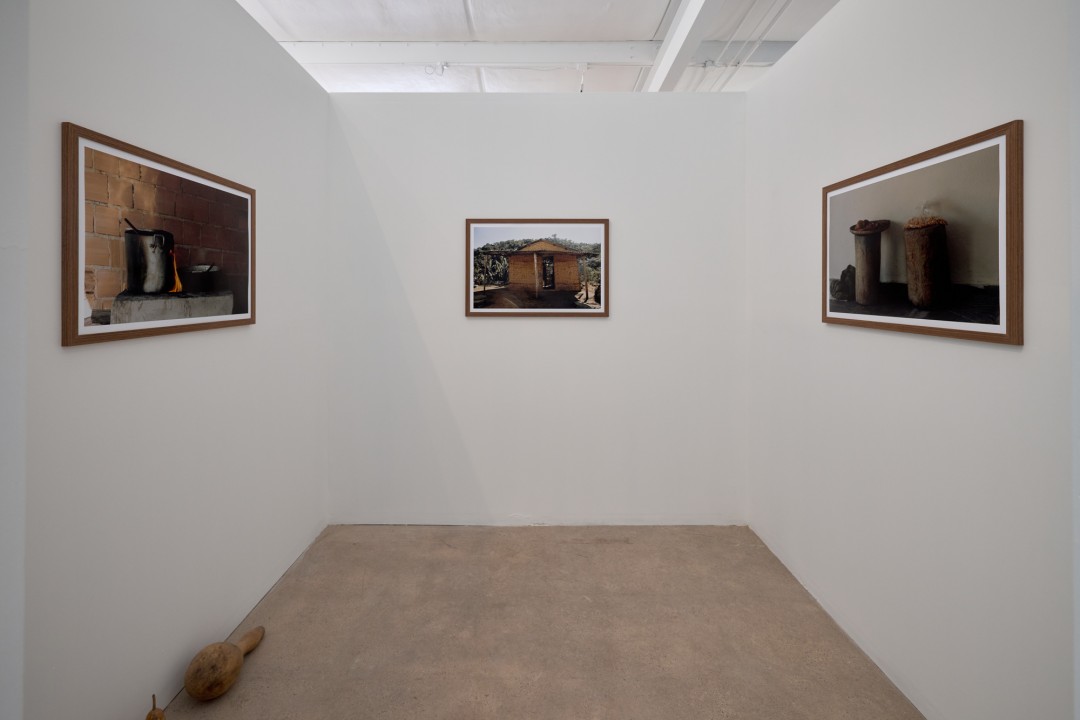
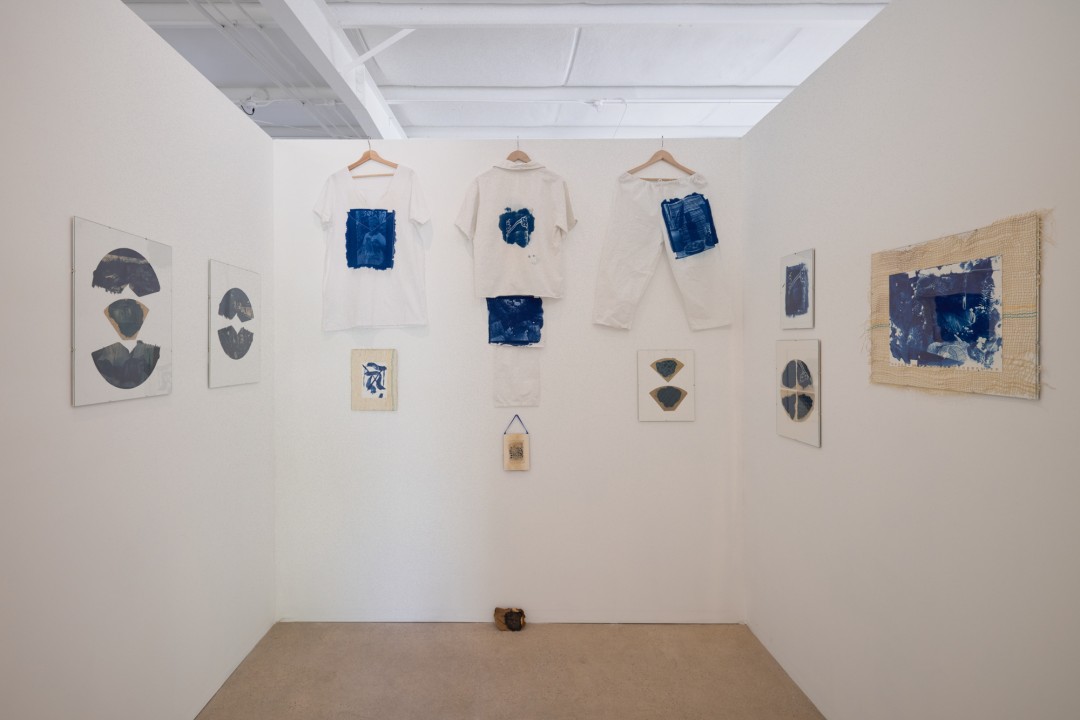
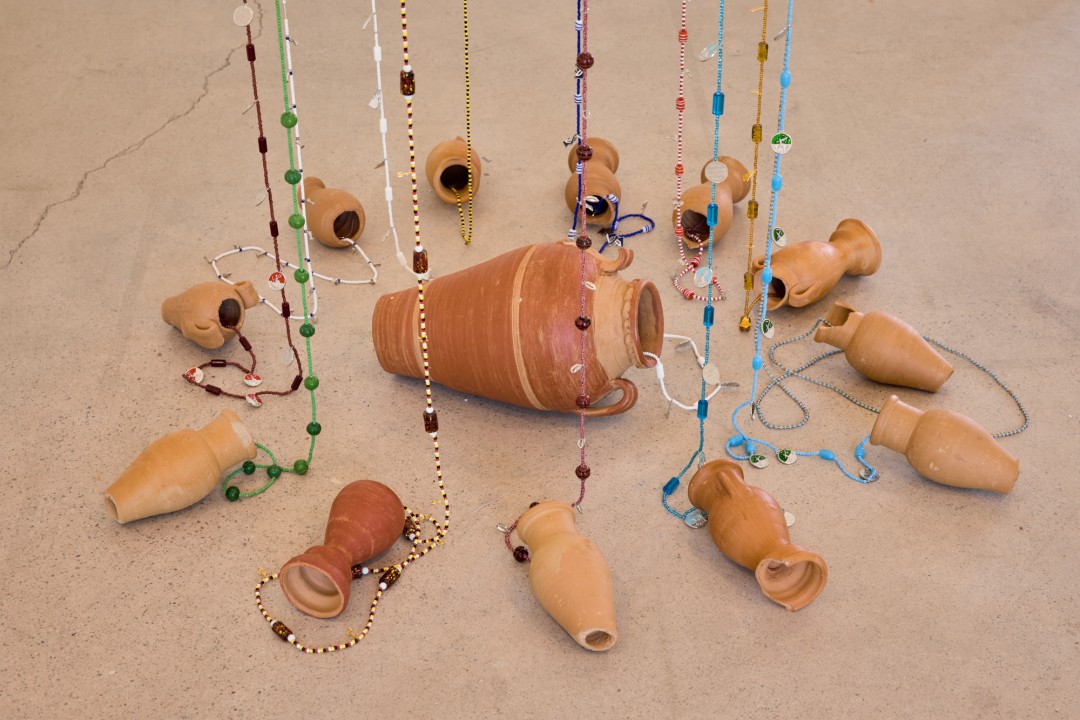
Bringing together installation, photography, and documentary film, the exhibition traced connections between spiritual practice and the historical conditions that shape Black life in Brazil. It moved through the intertwined histories of the coffee plantations of the Vale do Café and the forced displacement and labor of enslaved Africans, situating these histories within the present rather than at a distance.
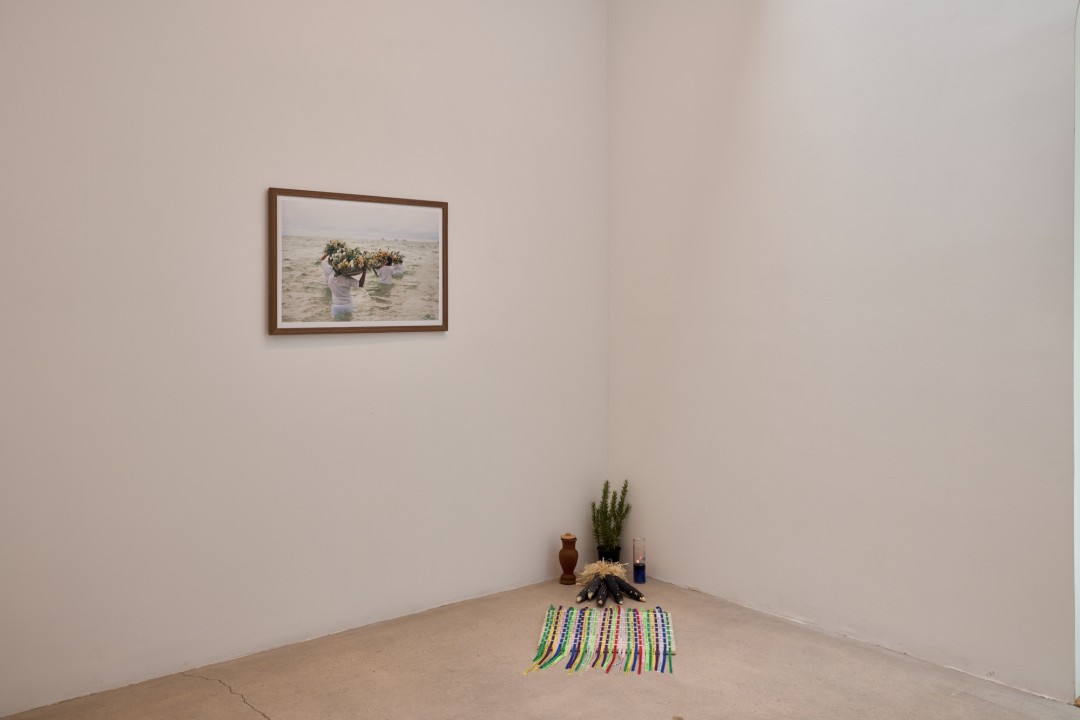
At the center of the exhibition was Candomblé, an Afro-Brazilian religion rooted in West and Central African cosmologies and carried forward through community, ceremony, systems of knowledge, and devotion to the orixás. Almeida’s work considered how Candomblé has sustained African cosmologies while tracing the ongoing suppression of African-matrix practices.
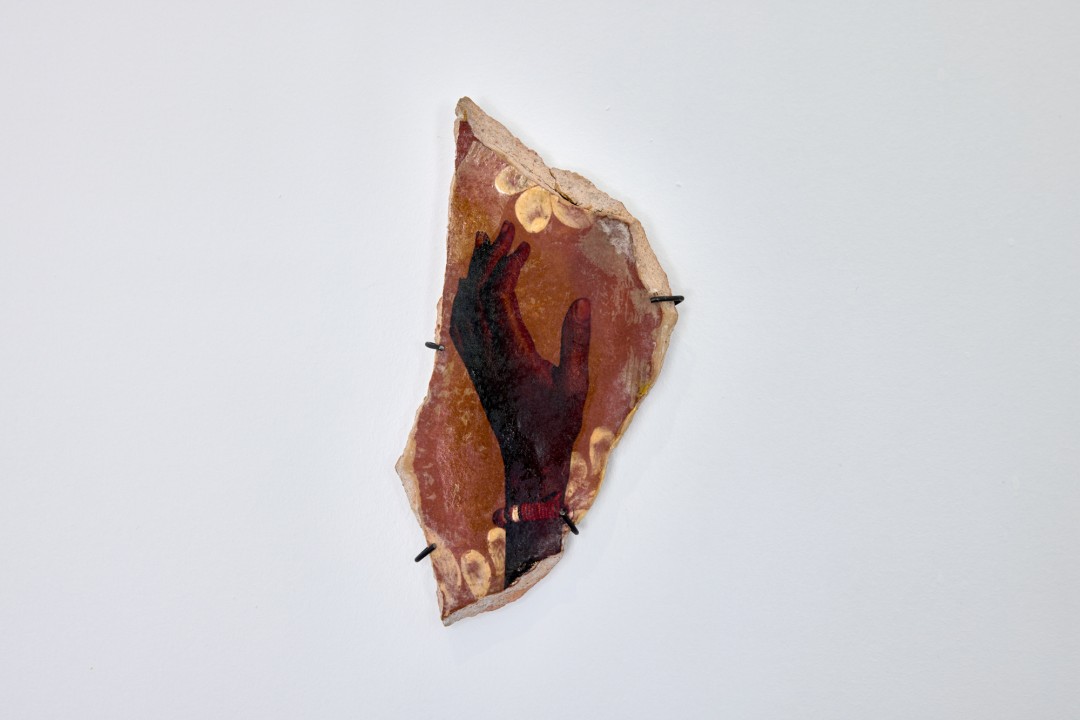
Rather than framing history as past, Almeida tends to its persistence in the present: in spiritual practice, in the transmission of knowledge, and in the lives of Afro-Brazilian communities in Brazil and beyond. His work honors ancestral continuities while asking how knowledge survives when it has been attacked, obscured, and forced into secrecy. Through image and structure, the exhibition considered what it means to carry prayer, memory, and inheritance across generations.
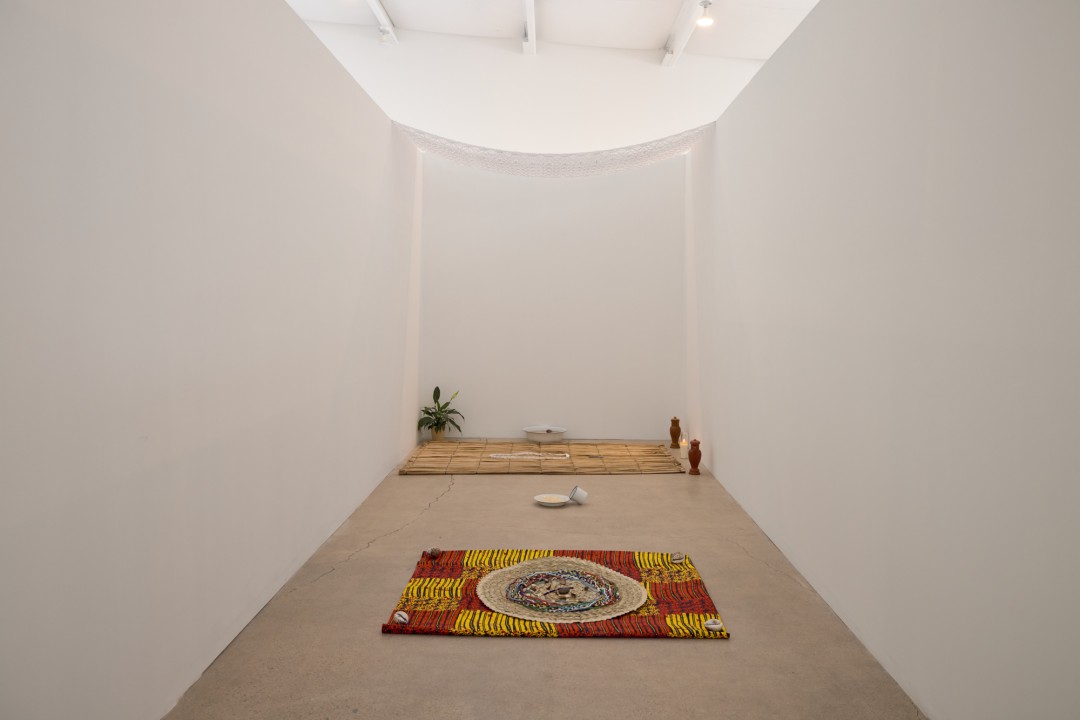
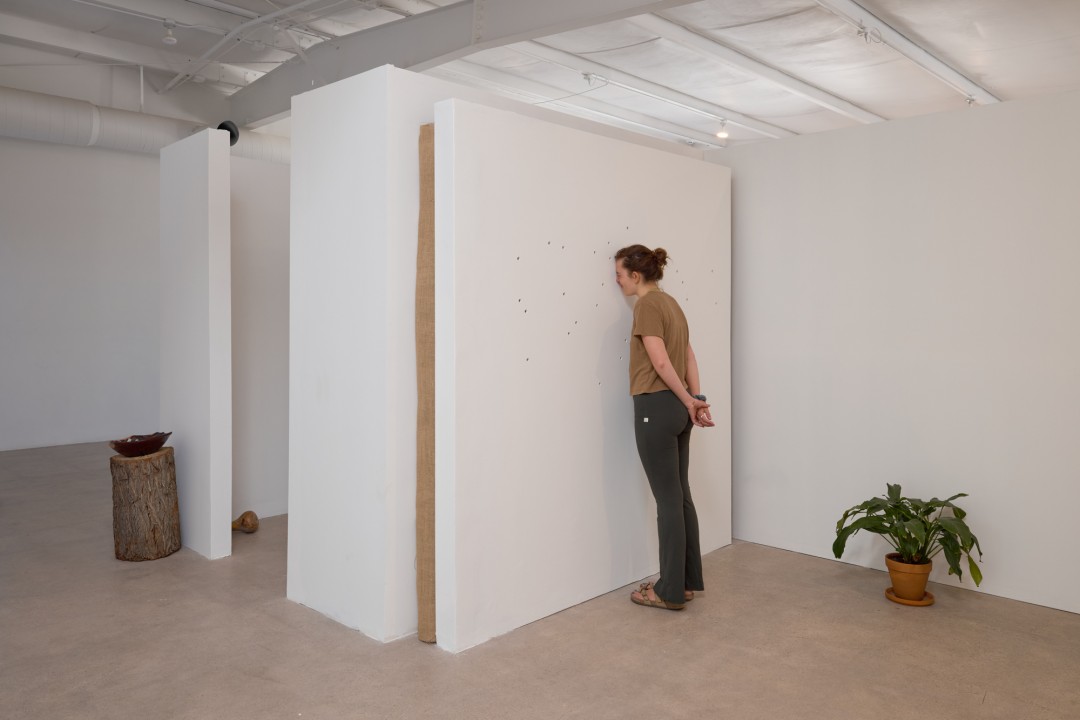
The installation hovered between the formal conditions of ritual and art. Visitors were invited to stand at a threshold in order to witness and learn while remaining aware of the limits of their own access. Forms of knowledge were made visible while others remained obscured or protected, reflecting the ways African-matrix spiritual practices have survived centuries of suppression.
A series of workshops, conversations, and gatherings extended these inquiries throughout the exhibition. Programs included Beading for the Orixás; Against Chaos/Contraegun; a public conversation between Almeida and Asher Aurelio Edelman; and Feeding the Exhibition, which activated the installation during the closing weekend. These events brought visitors into sustained contact with Almeida’s practice while respecting the boundary between public engagement and spiritual knowledge reserved for initiated communities.
Memories of the Past That Hug Me in a Nest examined how spiritual and ancestral frameworks fold time, keeping the past and present in active relation. Across the exhibition and it